
Uncategorized
The Science of Skin Regeneration: Unlocking the Benefits of the GHK-Cu Peptide
May
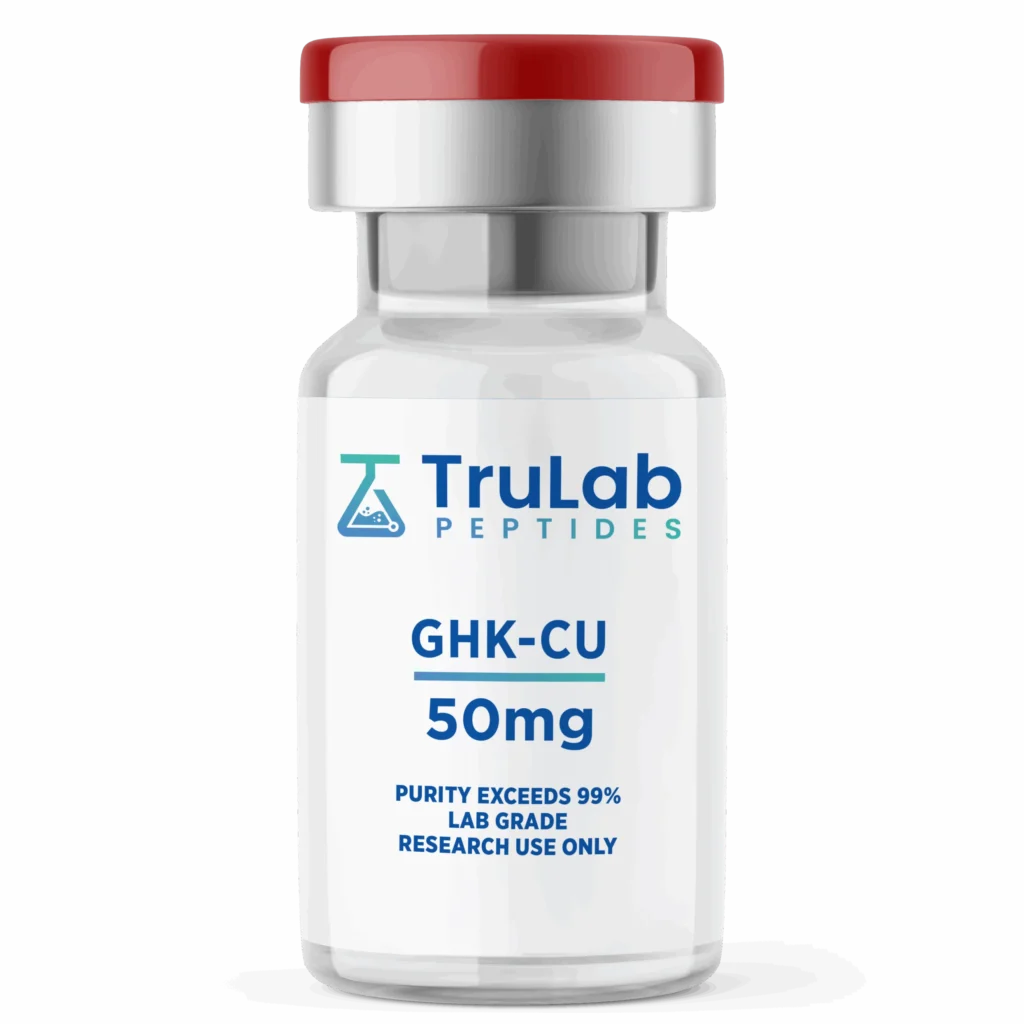
As the worlds of anti-aging, skincare, and biotechnology converge, certain compounds stand out for their profound regenerative properties. Among the most celebrated and thoroughly researched molecules in this arena is the GHK-Cu peptide (Copper Peptide).
But what exactly is this compound, and why are dermatologists, researchers, and skincare enthusiasts so intrigued by its role in tissue repair and anti-aging? Let’s dive into the science, mechanisms, and potential applications of this powerful tripeptide.
What is GHK-Cu?
GHK-Cu (Glycyl-L-Histidyl-L-Lysine Copper) is a naturally occurring copper complex of the tripeptide GHK. It was first isolated from human plasma in 1973 by Dr. Loren Pickart.
In the human body, GHK-Cu is found in small amounts in blood, saliva, and urine. As we age, the concentration of this peptide in our bodies drops significantly, which correlates with the skin’s reduced ability to repair itself and produce collagen. Because of its small molecular size, it can easily penetrate the upper layers of the skin, making it a highly effective agent for topical application and systemic research.
How Does It Work?
The mechanism of action of GHK-Cu revolves around cellular communication and epigenetic regulation:
- Copper Delivery: GHK binds specifically to copper ions, which are essential cofactors for various enzymatic reactions in the body, and transports them directly into cells.
- Collagen and Elastin Synthesis: The peptide stimulates fibroblasts (the cells responsible for producing connective tissue) to synthesize collagen and elastin, improving skin firmness and elasticity.
- Gene Modulation: Research indicates that GHK-Cu can reset a significant number of human genes to a healthier, more youthful state, aiding in cellular repair.
Key Benefits and Research Focus Areas
Scientists and researchers are studying GHK-Cu for its wide-ranging effects on human physiology and aesthetics. The most promising areas include:
| Area of Study | Potential Benefit |
| Anti-Aging & Skin Firming | Reduces the appearance of fine lines and wrinkles by promoting the production of collagen and glycosaminoglycans. |
| Wound Healing & Tissue Repair | Accelerates the healing of wounds, reduces scar tissue, and promotes the growth of new blood vessels (angiogenesis). |
| Hair Follicle Stimulation | Increases the size of hair follicles, extending the growth phase of hair and preventing hair thinning. |
| Antioxidant & Anti-inflammatory | Protects skin cells from oxidative damage and suppresses inflammatory cytokines. |
Quick Reference: Specifications
| Feature | Details |
| Classification | Copper-tripeptide complex |
| Sequence | Gly-His-Lys (coupled with Copper) |
| Molecular Formula | $C_{14}H_{24}N_{4}O_{4}Cu$ |
| Molecular Weight | 340.4 g/mol |
| Administration | Topical (creams, serums) or subcutaneous/mesotherapy |
Safety and Best Practices
When used in clinical, cosmetic, or research settings, GHK-Cu is generally considered safe with an excellent tolerability profile.
- Skin Sensitivity: While generally non-irritating, high concentrations of copper peptides can cause mild redness or tingling in extremely sensitive skin types.
- Stability: GHK-Cu can be sensitive to light and high pH levels. Formulations should be kept in opaque, airtight containers to maintain stability.
- Pairing: Avoid using strong direct acids (such as high-strength AHAs or Vitamin C serums) immediately alongside copper peptides, as they can alter the pH and affect the peptide’s ability to bind with copper.
Conclusion
The GHK-Cu peptide represents an exciting intersection of biochemistry and dermatology. Facilitating the delivery of vital copper ions to cells, it promotes natural collagen production, tissue repair, and antioxidant defense. As the science of skincare advances, GHK-Cu remains a cornerstone for those looking to support their skin at the cellular level.
Disclaimer: This blog post is for informational and educational purposes only and does not constitute medical or professional advice. Always consult with a healthcare professional before starting any new dietary supplement, medication, or wellness regimen.
