
Uncategorized
The Ultimate Guide to Wolverine BPC-157: Science, Benefits, and Recovery
May
When athletes, biohackers, and wellness enthusiasts discuss rapid injury recovery, a specific name often comes up: the Wolverine BPC-157 stack. Named after the fictional Marvel superhero known for his rapid healing abilities, this combination of peptides has taken the wellness and sports performance world by storm.
But what exactly is it, and what does the science actually say about how it supports tissue repair? Let’s dive deep into the science and real-world applications of the Wolverine BPC-157 stack.
What Is the Wolverine Stack?
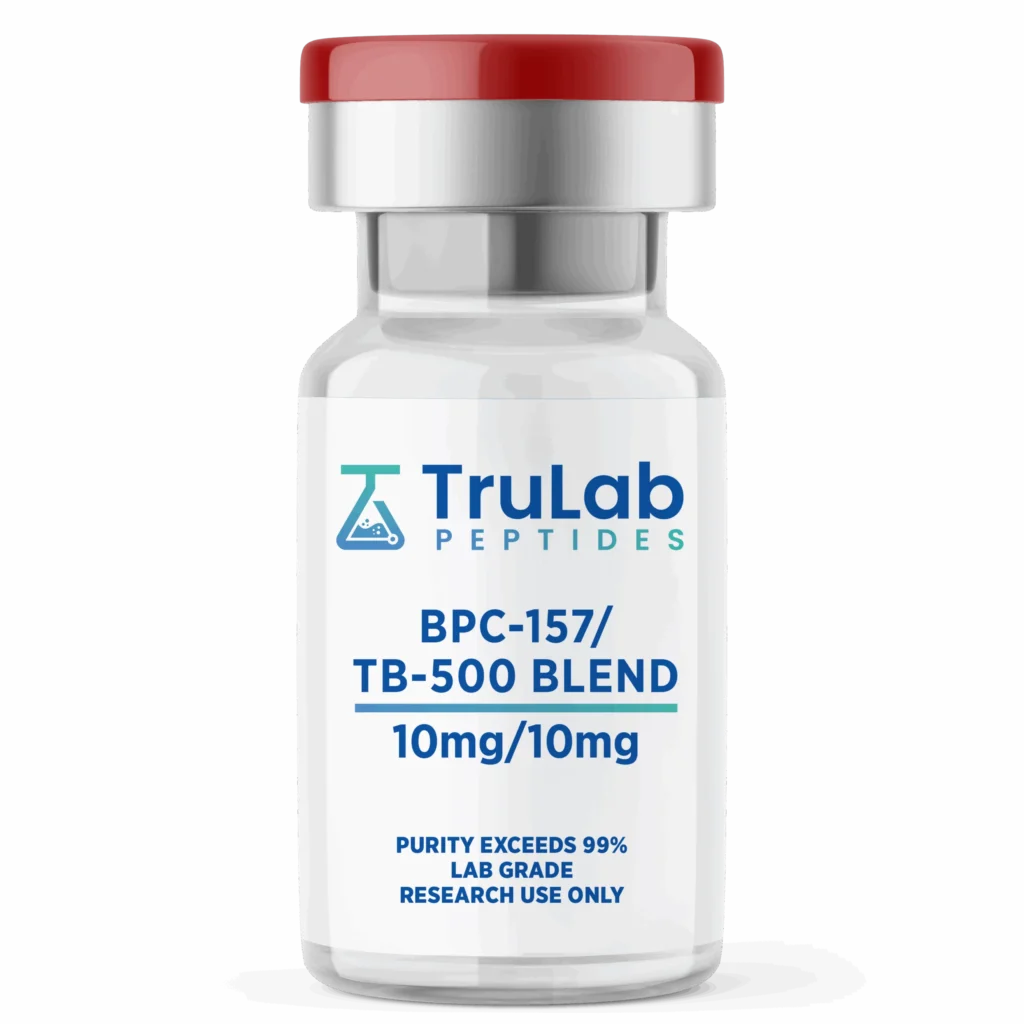
The term “Wolverine stack” refers to a synergistic combination of two primary peptides:
- BPC-157 (Body Protection Compound-157): A 15-amino-acid peptide derived from a protective protein found in human gastric juice.
- TB-500: A synthetic version of the naturally occurring protein fragment Thymosin Beta-4.
While BPC-157 is often used for localized tissue and joint repair, TB-500 is believed to support systemic recovery, cellular migration, and new blood vessel formation. Together, the two are frequently paired to support the body’s natural healing pathways.
How Does BPC-157 Work?
To understand why the Wolverine protocol has gained traction, it helps to look at the underlying mechanisms being studied in preclinical research:
- Promotes Angiogenesis: BPC-157 has been shown in animal models to stimulate the formation of new blood vessels, bringing essential nutrients and oxygen to injured, low-blood-flow tissues like tendons and ligaments.
- Upregulates Growth Hormone Receptors: Research shows that BPC-157 increases the expression of growth hormone receptors in tendon fibroblasts, which may potentiate the body’s natural healing response.
- Modulates Inflammation: By inhibiting certain inflammatory pathways, it helps to reduce swelling and pain, creating a better environment for tissue repair.
Potential Benefits of the Wolverine Stack
In both preclinical studies and anecdotal reports from the athletic community, users turn to the stack for a variety of recovery and regenerative purposes:
Note on Research: While the benefits listed below are highly promising in preclinical and animal models, human clinical trials remain limited, and the stack is not approved by the FDA for therapeutic medical use.
1. Soft Tissue and Joint Repair
Because tendons and ligaments have a relatively poor blood supply, they take a long time to heal. The combination of BPC-157 and TB-500 is designed to accelerate the repair of muscles, joint capsules, and ligaments.
2. Gastrointestinal Protection
Originating from gastric juice, BPC-157 has been shown in studies to protect the digestive tract. It is frequently researched for its potential to support a healthy gut lining and assist in managing inflammatory conditions.
3. Reduced Inflammation and Pain Modulation
The active peptides work to modulate inflammatory markers, which can result in less discomfort and greater mobility during the rehabilitation process.
Common Usage and Administration
In research and wellness settings, the stack is administered in a few different ways:
- Injectable Administration: Often administered subcutaneously or intramuscularly, close to the site of an injury or systemically.
- Oral Formulations: BPC-157 is also available in capsule form, though many recovery experts point to injections as the most direct method for targeted, localized soft-tissue support.
Typical protocols mentioned in wellness circles span a 4 to 12-week cycle, often followed by a rest period.
Safety, Side Effects, and Precautions
As with any peptide therapy, it is important to weigh the potential benefits against the risks:
- Lack of Human Clinical Data: Most research has been conducted on animals or cell cultures.
- Regulatory Status: These peptides are not approved by the FDA for human consumption and are banned by the World Anti-Doping Agency (WADA) in competitive sports.
- Potential Side Effects: Users have occasionally reported mild side effects such as nausea, headaches, or injection-site reactions.
- Contraindications: Due to its ability to stimulate angiogenesis, BPC-157 should generally be avoided by individuals with a history of active or suspected cancer.
Final Thoughts
The Wolverine BPC-157 stack represents a fascinating frontier in the science of recovery and tissue regeneration. While animal research and anecdotal evidence suggest remarkable potential for soft-tissue and tendon repair, it is crucial to approach this protocol with education and caution.
Always consult with a qualified healthcare professional before beginning any peptide therapy to ensure that it aligns with your health needs and rehabilitation goals.
