
Uncategorized
Demystifying IGF-1 LR3: The Science of Muscle Growth, Recovery, and Regeneration
May
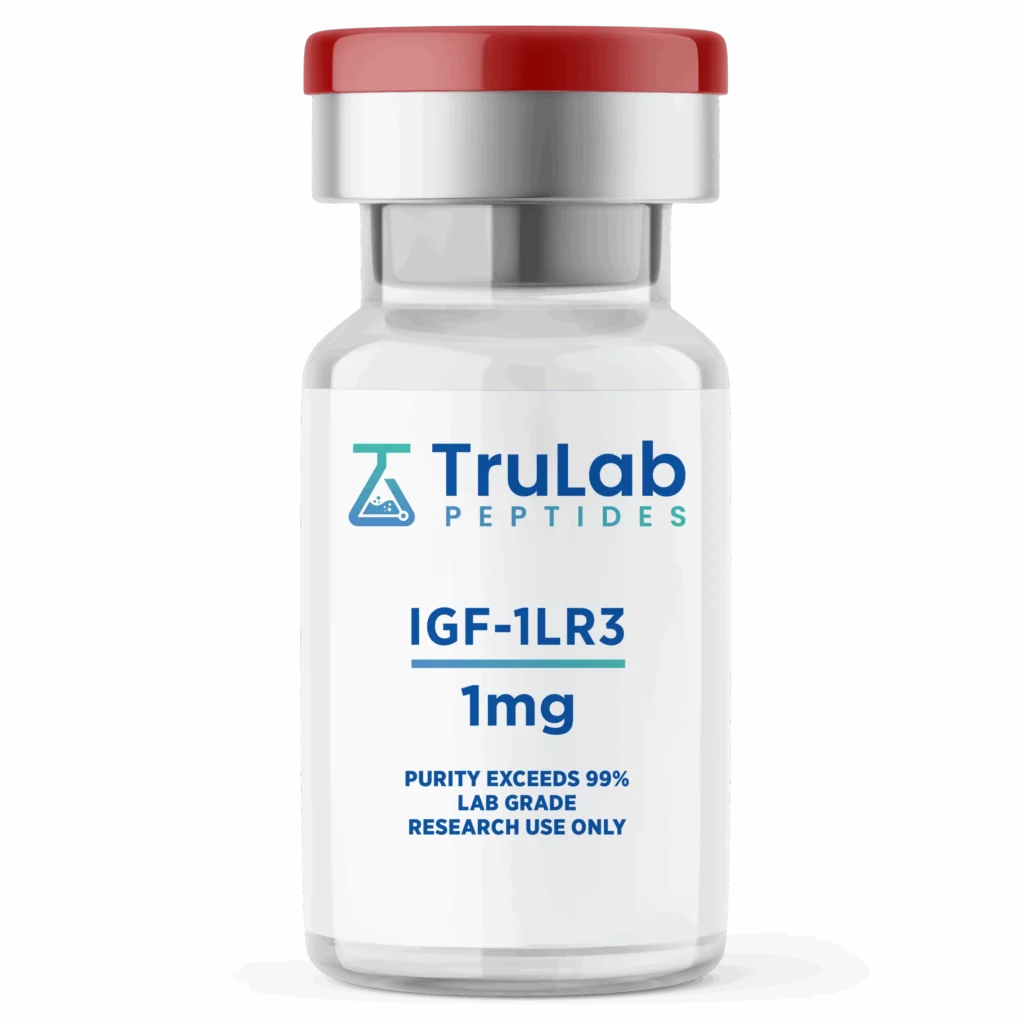
In the rapidly evolving landscape of regenerative medicine, anti-aging, and performance optimization, the focus has increasingly shifted toward advanced peptides and proteins. Among these, IGF-1 LR3 (Long R3 Insulin-like Growth Factor-1) stands out as one of the most powerful and highly researched compounds.
If you have been exploring advanced peptides and want to understand how IGF-1 LR3 works, its benefits, and the science behind it, let’s take a closer look at this fascinating molecule.
What Is IGF-1 LR3?
IGF-1 LR3 is a synthetic protein and an engineered analog of human Insulin-like Growth Factor-1 (IGF-1). Composed of 83 amino acids (compared to the 70 of natural IGF-1), it features two key structural modifications:
- Arginine 3 Substitution: An arginine residue replaces glutamic acid at the third position in the amino acid sequence.
- The “Long” Extension: An additional 13 amino acids are added to the N-terminus.
These changes prevent IGF-1 LR3 from binding to Insulin-like Growth Factor-Binding Proteins (IGFBPs) in the human body. As a result, it remains active in the bloodstream for a significantly longer period, possessing a half-life of roughly 20 to 30 hours, compared to the much shorter half-life (12 to 15 hours) of native IGF-1.
Mechanism of Action: How It Works
IGF-1 LR3 acts through multiple pathways to stimulate cellular growth, recovery, and metabolic regulation:
- Protein Synthesis: It signals the body to synthesize new muscle proteins, accelerating muscle regeneration and tissue repair.
- Cell Hyperplasia: Unlike regular hypertrophy (where existing muscle cells simply swell), it promotes the division and multiplication of new muscle cells (hyperplasia).
- Nutrient Partitioning: It helps optimize how the body uses glucose and amino acids, pulling nutrients into muscle cells while encouraging fat breakdown (lipolysis).
- Reduced Binding Interference: Because it bypasses IGFBPs, its biological potency is significantly higher than that of natural IGF-1.
Key Benefits of IGF-1 LR3
The wide array of benefits makes IGF-1 LR3 a prominent research focal point across several therapeutic and performance domains:
| Benefit Area | Mechanism of Action | Target Tissues |
| Muscle Growth | Accelerates protein synthesis and cell hyperplasia | Skeletal muscle |
| Fat Metabolism | Improves nutrient partitioning and lipolysis | Adipose tissue, metabolic rate |
| Recovery | Speeds up the repair of damaged ligaments and tendons | Tendons, muscle tissue, bones |
| Anti-Aging & Cognitive Support | Provides neuroprotective effects and promotes neurogenesis | Brain, central nervous system, and skin |
Research Insight: Studies indicate that as natural growth hormone production decreases with age, utilizing compounds like IGF-1 LR3 can counteract muscle loss, support metabolic function, and slow down age-related tissue degeneration.
Administration and Safety Considerations
IGF-1 LR3 is typically administered via subcutaneous (sub-q) injection, often near targeted muscle groups or in the abdominal fat.
Potential Side Effects
While powerful, the compound must be treated responsibly. Reported side effects include:
- Mild fluid retention or localized swelling.
- Temporary joint and muscle soreness as the body adjusts.
- Hypoglycemia (due to its insulin-like effect on glucose, especially at higher dosages).
Important Note: Due to its potential to promote cellular growth, IGF-1 LR3 is contraindicated for individuals with a history of hormone-sensitive tumors or active cancer. Furthermore, it is banned by the World Anti-Doping Agency (WADA) in professional sports.
A Holistic Approach to Regeneration
While advanced compounds like IGF-1 LR3 offer incredible potential, long-term vitality and performance rely on a multi-faceted wellness routine:
- Balanced Nutrition: Ensure a sufficient intake of high-quality proteins and essential trace minerals to provide the building blocks for tissue repair.
- Active Recovery: Combine restorative therapies with moderate mobility work to assist structural integrity.
- Medical Guidance: Undergo thorough health screening and consult with an anti-aging or functional medicine specialist to safely tailor peptide protocols.
Final Thoughts
IGF-1 LR3 represents a monumental leap in our understanding of peptide therapy and cellular regeneration. As research continues to expand, it opens exciting doors for people looking to enhance their metabolism, accelerate recovery, and build physical resilience.
