
Uncategorized
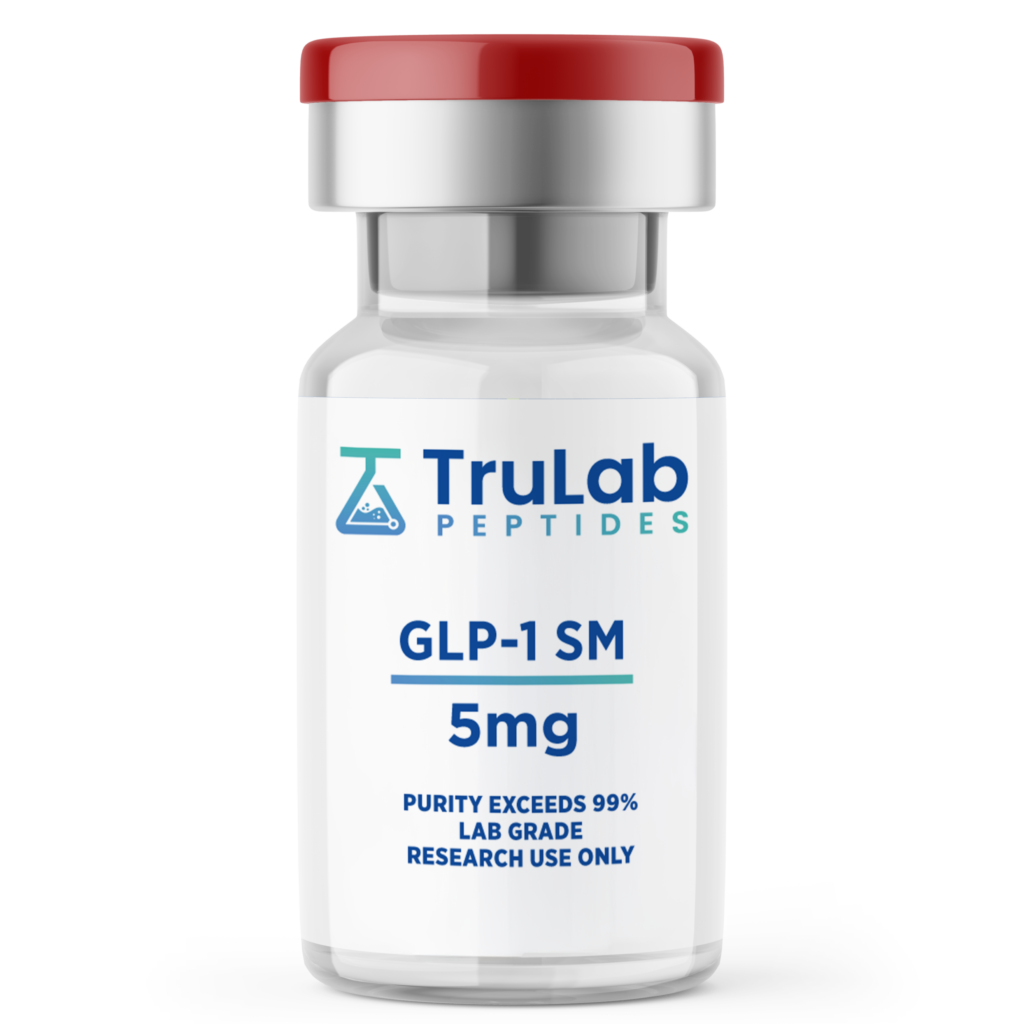
Unlocking the Future of Metabolic Health: The Science of GLP-1 Small Molecules GLP-1 SM
May
As the fields of diabetes and obesity management continue to evolve, researchers are constantly looking for ways to make treatments more accessible, effective, and convenient. Among the most exciting innovations in the metabolic space is the development of GLP-1 SM (Small-Molecule GLP-1 receptor agonists).
But what exactly are small-molecule GLP-1s, and how do they compare to the injectable therapies currently dominating the market? Let’s break down the science, mechanisms, and potential benefits of this emerging pharmacological class.
What is GLP-1 SM?
GLP-1 SM refers to Small-Molecule Glucagon-Like Peptide-1 Receptor Agonists.
Unlike traditional GLP-1 treatments, which are large, peptide-based molecules that often require subcutaneous injection, small-molecule GLP-1s are synthesized to have a much lower molecular weight. Because of this, they can be formulated into simple, orally administered tablets or capsules.
By targeting the GLP-1 receptors in the body, these compounds mimic the effects of the natural GLP-1 hormone to:
- Stimulate insulin secretion in response to glucose.
- Suppress glucagon release.
- Slow gastric emptying.
- Signal the brain to increase feelings of fullness (satiety).
How Does GLP-1 SM Work?
While traditional peptide drugs (like semaglutide or liraglutide) bind to the main active site of the GLP-1 receptor, small-molecule GLP-1s often interact with the receptor through an alternative (allosteric) binding site located within the transmembrane domain.
This mechanism offers several unique advantages:
- Targeted Activation: It promotes selective cellular signaling, stimulating insulin production while minimizing some of the unwanted side effects associated with broader receptor activation.
- Oral Bioavailability: Because of their smaller size, these molecules can survive the harsh, acidic environment of the stomach better than peptides, allowing them to be absorbed directly into the bloodstream without needing complex protective carriers.
Key Benefits of Small-Molecule GLP-1s
The transition from injectable peptides to oral small molecules is a major milestone in medicine. Here are the primary benefits:
- Unmatched Convenience: Patients can take a simple daily pill rather than dealing with weekly or daily injections, which may improve medication adherence.
- Lower Production Costs: Small-molecule drugs are easier and significantly cheaper to manufacture at a large scale than biologics and peptides.
- Improved Tissue Penetration: The smaller molecular structure allows for better tissue permeability throughout the body.
Quick Reference: Specifications
| Feature | Details |
| Drug Class | Small-Molecule GLP-1 Receptor Agonist |
| Primary Mechanism | Binds to GLP-1 receptors to promote satiety and insulin release |
| Administration | Oral tablets/capsules |
| Primary Target | Type 2 Diabetes and Obesity Management |
| Examples in Development | Orforglipron, Danuglipron |
Potential Side Effects
Just like their injectable counterparts, GLP-1 SM compounds have an active profile that can cause common, generally mild to moderate gastrointestinal side effects as the body adapts to the medication:
- Nausea and vomiting
- Diarrhea or constipation
- Indigestion and bloating
- Transient increase in heart rate
Current Status and Future Outlook
The clinical trials surrounding oral small-molecule GLP-1s—such as orforglipron and danuglipron—have shown highly promising weight loss and glucose-lowering capabilities.
While they are currently in advanced clinical phases (Phase 3 trials) and not yet widely available for cosmetic use or retail purchase, the regulatory landscape is continuously reviewing their safety and efficacy. Researchers believe that the rollout of these oral options will dramatically improve global access to metabolic care.
Disclaimer: This blog post is for informational and educational purposes only and does not constitute medical advice. Always consult with a healthcare professional before starting or altering any diet, medication, or wellness regimen.
