
Uncategorized
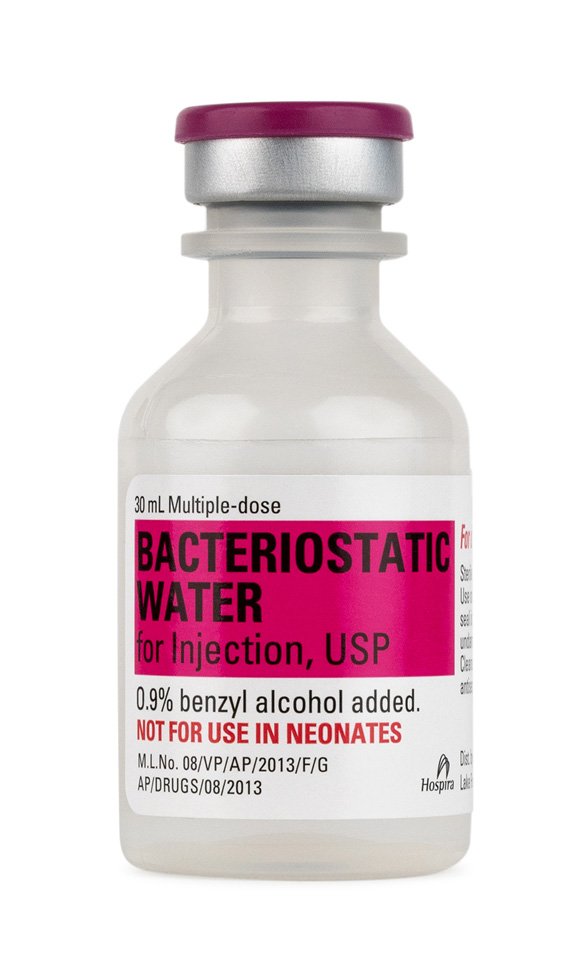
The Ultimate Guide to Bacteriostatic Water – 30ml: Uses, Safety, and Storage
May
When it comes to reconstituting medications, peptides, or mixing injectable solutions, having a reliable, safe diluent is absolutely critical. Among the various options available, Bacteriostatic Water – 30ml remains one of the most popular and versatile choices for both clinical and personal use.
But what exactly makes this specific volume and solution so unique? Let’s break down the science, safety protocols, and best practices for handling bacteriostatic water.
What is Bacteriostatic Water?
Bacteriostatic Water is a sterile, non-pyrogenic preparation of water for injection that contains 0.9% benzyl alcohol (9 mg/mL) added as a bacteriostatic preservative.
Unlike standard sterile water (which can only be used once and must be discarded), the addition of benzyl alcohol allows the vial to be punctured multiple times. It inhibits or stops the growth of potentially harmful bacteria within the vial for up to 28 days after the initial puncture.
Why Choose the 30ml Size?
For individuals who require frequent or long-term administration of medications, the 30ml vial offers several key advantages over smaller 10ml or 20ml options:
- Cost-Effective: Purchasing a larger volume generally provides better value for ongoing therapeutic regimens.
- Convenience: Reduces the frequency of reordering and the number of vials you need to store.
- Reduced Waste: Minimizes the number of plastic caps and glass vials you discard.
- Versatility: Ample volume for reconstituting multiple or higher-dose medications over the 28-day usage window.
Key Applications
Bacteriostatic water is the gold standard for reconstituting and diluting substances intended for subcutaneous or intramuscular injection. Common uses include:
- Peptide Reconstitution: Used to dissolve lyophilized (freeze-dried) peptides for research or therapeutic purposes.
- Hormone Therapies: Used to dilute hormones like hCG (Human Chorionic Gonadotropin) or certain types of insulin.
- Compounded Medications: Serves as a base for custom pharmacy preparations.
Quick Reference: Specifications
| Feature | Details |
| Volume | 30 mL (30ml) |
| Active Ingredient | Sterile Water for Injection, USP |
| Preservative | 0.9% Benzyl Alcohol |
| pH Range | 4.5 to 7.0 |
| Usage Window | 28 days after the initial vial puncture |
| Storage | 20°C to 25°C (68°F to 77°F) |
Best Practices for Safe Handling
To ensure sterility and prevent contamination of your 30ml vial, always follow these essential hygiene protocols:
- Clean the Seal: Before each use, swab the rubber stopper with an alcohol wipe and let it air dry.
- Use Sterile Equipment: Always draw the solution using a new, sterile needle and syringe.
- Track the Timeline: Mark the date of the first puncture on the vial. Discard the vial exactly 28 days after the first use, even if liquid remains inside.
- Proper Storage: Store at room temperature (around 20°C to 25°C). While refrigeration is generally acceptable, extreme cold or freezing can compromise the integrity of the vial and stopper.
Conclusion
The Bacteriostatic Water – 30ml vial is an essential, highly practical tool for medication and peptide reconstitution. By understanding how the benzyl alcohol preservative works and following strict hygiene guidelines, you can safely and effectively manage your therapeutic needs.
Disclaimer: This blog post is for informational and educational purposes only and does not constitute medical advice. Always follow the specific reconstitution and administration instructions provided by your healthcare provider or pharmacist before mixing any medication.
