
Uncategorized
The Power of KPV Peptide: Exploring Anti-Inflammatory and Healing Properties
May
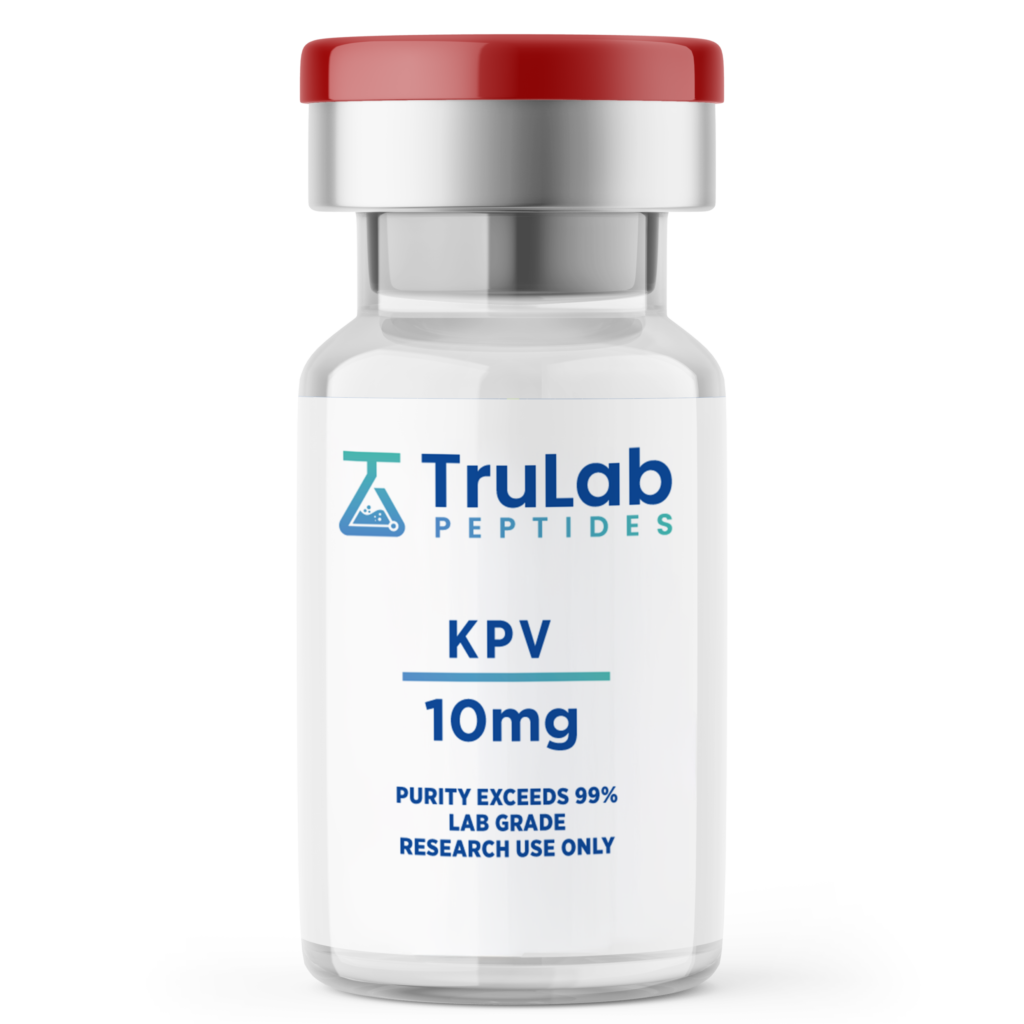
In the rapidly expanding field of biotechnology and wellness, researchers are continually uncovering the profound benefits of small-chain peptides. Among these, the KPV peptide has emerged as a highly versatile compound due to its potent anti-inflammatory, antimicrobial, and tissue-healing properties.
But what exactly is KPV, and why are experts so intrigued by its role in cellular health and immunity? Let’s dive into the science, mechanisms, and potential applications of this powerful tripeptide.
What is the KPV Peptide?
KPV is a naturally occurring C-terminal tripeptide derived from the hormone $\alpha$-MSH (alpha-melanocyte-stimulating hormone). Its name is derived from the single-letter abbreviations of its three constituent amino acids:
- K – Lysine
- P – Proline
- V – Valine
Despite its small molecular size, KPV retains the core anti-inflammatory properties of its parent hormone ($\alpha$-MSH) without causing systemic side effects like skin pigmentation. It acts as a signaling molecule that tells the body to calm immune responses and restore cellular balance.
How Does It Work?
The mechanism of action of KPV involves direct and indirect pathways that target inflammation and microbial activity:
- Inhibition of NF-$\kappa$B: KPV blocks the activation of Nuclear Factor kappa B (NF-$\kappa$B), a protein complex that controls the transcription of DNA and cytokine production. By doing so, it halts the inflammatory cascade at the cellular level.
- Cellular Penetration: Because it is a short tripeptide, it can easily cross cell membranes and interact directly with intracellular targets to exert its effects.
- Antimicrobial Activity: Research shows that KPV exhibits broad-spectrum antimicrobial properties, helping to protect tissues from harmful bacteria and fungi.
Key Benefits and Research Focus Areas
Scientists are studying the KPV peptide across a wide range of physiological applications. The most promising areas include:
| Area of Study | Potential Benefit |
| Gut Health | Helps soothe intestinal inflammation, making it a subject of interest for conditions like Irritable Bowel Syndrome (IBS) and Inflammatory Bowel Disease (IBD). |
| Skin and Wound Healing | Accelerates the repair of damaged tissue and reduces localized skin inflammation when applied topically. |
| Immune Modulation | Regulates the immune response, preventing the body from overreacting to stress or injury. |
| Infection Defense | Demonstrates the ability to reduce bacterial colonization on surfaces and in tissues. |
Quick Reference: Specifications
| Feature | Details |
| Classification | Naturally derived tripeptide |
| Amino Acid Sequence | Lys-Pro-Val |
| Molecular Formula | $C_{16}H_{29}N_{5}O_{4}$ |
| Administration | Subcutaneous, oral, or topical (depending on research focus) |
| Primary Mechanism | Suppresses NF-$\kappa$B, reduces pro-inflammatory cytokines |
Safety and Best Practices
When used in clinical trials or research settings, KPV is generally considered to have a highly favorable safety profile with minimal reported adverse effects.
- Side Effects: Very rare; occasionally, mild itching or redness may occur at the injection site or application area.
- Storage and Handling: The lyophilized powder should be stored in a cool, dry place away from direct light. Once reconstituted with an appropriate diluent (like Bacteriostatic Water), it should be kept refrigerated and handled using strict aseptic techniques.
Conclusion
The KPV peptide represents an exciting frontier in the study of localized inflammation and tissue repair. By acting directly on inflammatory pathways while supporting the body’s natural antimicrobial defenses, it offers a highly targeted approach to wellness and recovery.
Disclaimer: This blog post is for informational and educational purposes only and does not constitute medical or professional advice. Always consult with a healthcare professional before starting any new dietary supplement, peptide, or wellness regimen.
