
Uncategorized
Unlocking Cellular Energy: The Science and Potential of MOTS-c
May
The world of wellness and longevity is constantly evolving, with researchers continually looking for ways to optimize our health at the cellular level. One compound that has been generating considerable buzz in scientific and research communities is MOTS-c.
But what exactly is MOTS-c, and why are experts so excited about its potential? Let’s dive into the science, mechanism, and potential benefits of this fascinating mitochondrial-derived peptide.
What is MOTS-c?
MOTS-c (which stands for Mitochondrial Open Reading Frame of the 12S rRNA Type-c) is a naturally occurring, 16-amino-acid peptide encoded by the mitochondrial genome.
While we typically think of our DNA as being housed in the nucleus, our mitochondria—the “power generators” of our cells—contain their own unique DNA. In recent years, researchers discovered that this mitochondrial DNA produces short bioactive peptides, and MOTS-c is one of the most prominent among them.
Endogenous levels of MOTS-c are primarily activated by stress and exercise. As we age, these natural levels tend to decline, which has made MOTS-c a primary target in anti-aging and metabolic research.
How Does MOTS-c Work?
To understand why MOTS-c is so potent, we need to look at how it communicates within the body.
- Mitochondrial-Nuclear Communication: When cells experience metabolic stress or physical activity, MOTS-c travels from the mitochondria to the nucleus to regulate the expression of stress adaptation-related genes.
- AMPK Activation: MOTS-c activates the AICAR-AMPK pathway. AMPK is a master regulator of energy balance within the body.
- Glucose and Lipid Regulation: By activating these pathways, it increases the cell’s ability to take up and utilize glucose while promoting fatty acid oxidation (the burning of fat for fuel).
Key Benefits and Research Focus Areas
Researchers are studying MOTS-c for its wide-ranging effects on human physiology. Here are some of the most promising areas of study:
| Area of Study | Potential Benefit |
| Metabolic Health | Mimics exercise effects to improve insulin sensitivity and glucose uptake, helping to combat insulin resistance. |
| Fat Loss & Weight Management | Promotes fatty acid oxidation and white fat browning, assisting in weight management and fat reduction. |
| Physical Performance | Acts as an exercise mimetic, helping to support muscle function and stamina across different life stages. |
| Inflammation & Immunity | Shows potential in reducing pro-inflammatory cytokines and regulating T-cell differentiation (relevant to autoimmune health). |
| Bone Density | Stimulates osteoblast proliferation, which aids in building stronger and denser bones. |
Quick Reference: Specifications
| Feature | Details |
| Class | Mitochondrial-Derived Peptide (MDP) |
| Amino Acid Chain | MRWQEMGYIFYPRKLR |
| Molecular Weight | ~2,174.7 Da |
| Primary Mechanism | AMPK signaling activation, metabolic regulation |
| Status | Experimental/Research compound; not FDA-approved for human use |
Current Status and Safety
Because of its broad metabolic effects, many individuals are curious about its clinical application. Here is what you need to know about its current status:
- Experimental Status: MOTS-c is currently an investigational peptide and is not FDA-approved for human treatment.
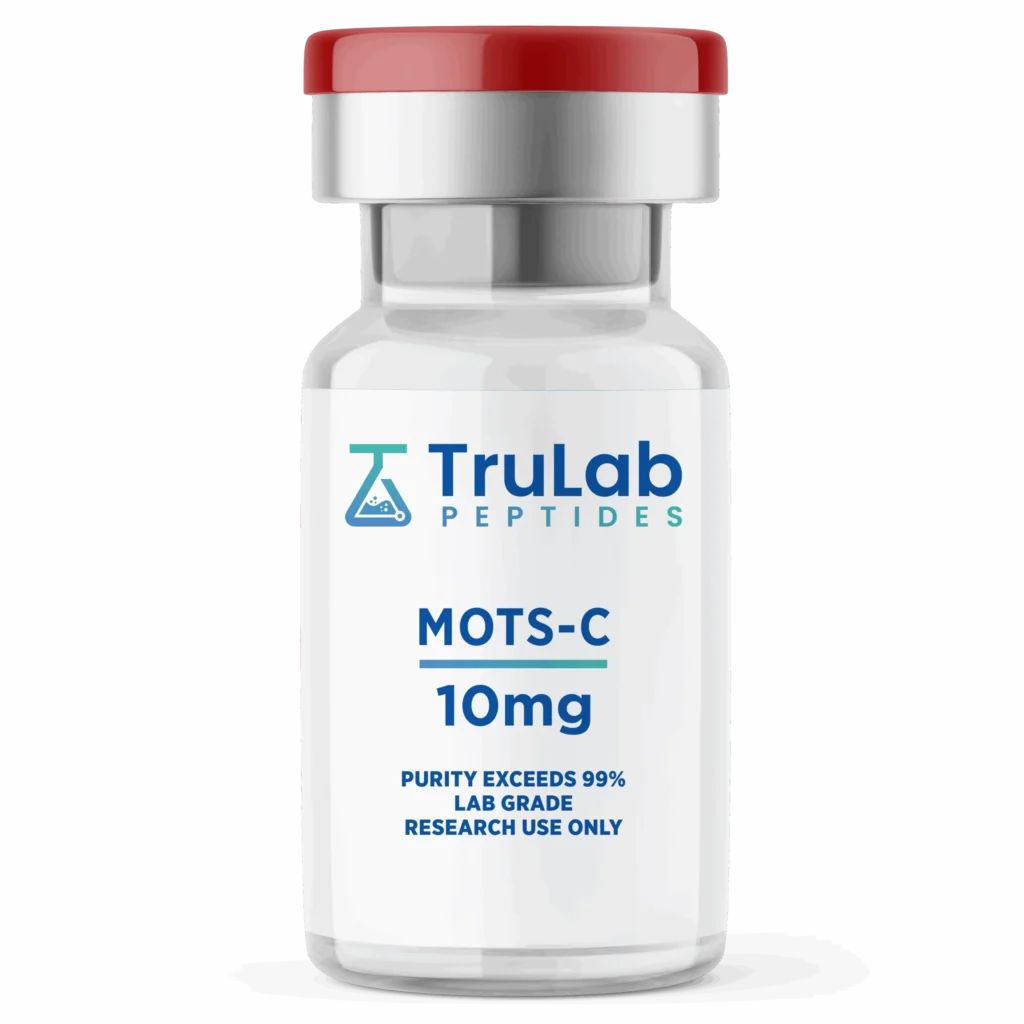
- Research and Development: It is primarily studied in preclinical models (mice and cell cultures) and is commonly found labeled for “research purposes only.”
- Sports and Anti-Doping: Organizations like the USADA (U.S. Anti-Doping Agency) include it on prohibited peptide lists for athletes due to its performance-enhancing potential in preclinical studies.
- Side Effects Reported: Anecdotal reports from unregulated usage include increased heart rate, insomnia, and injection site irritation.
Conclusion
MOTS-c represents an exciting frontier in the study of mitochondrial function, longevity, and metabolic health. By acting as a cellular communicator and an exercise mimetic, it offers a fascinating glimpse into how our cells naturally regulate energy and stress.
While research shows immense promise, it remains an experimental compound. As science continues to unfold in the coming years, we will undoubtedly learn more about how to harness its power for healthy aging.
Disclaimer: This blog post is for informational and educational purposes only and does not constitute medical or professional advice. Always consult with a healthcare professional before exploring new supplements, peptides, or wellness regimens.
