
Uncategorized
Unlocking the Science of GLP-3 RT: The Future of Weight Loss and Metabolic Health
May
As the search for effective, sustainable treatments for obesity continues to evolve, the medical community’s eyes are on a new class of investigational treatments. You may have recently heard about a novel medication called Retatrutide, which is also making waves under the term GLP-3 RT. But what exactly is this compound, and why are researchers calling it a potential breakthrough?
Let’s dive into the science, clinical data, and potential benefits of this much-talked-about triple-action therapy.
What is GLP-3 RT?
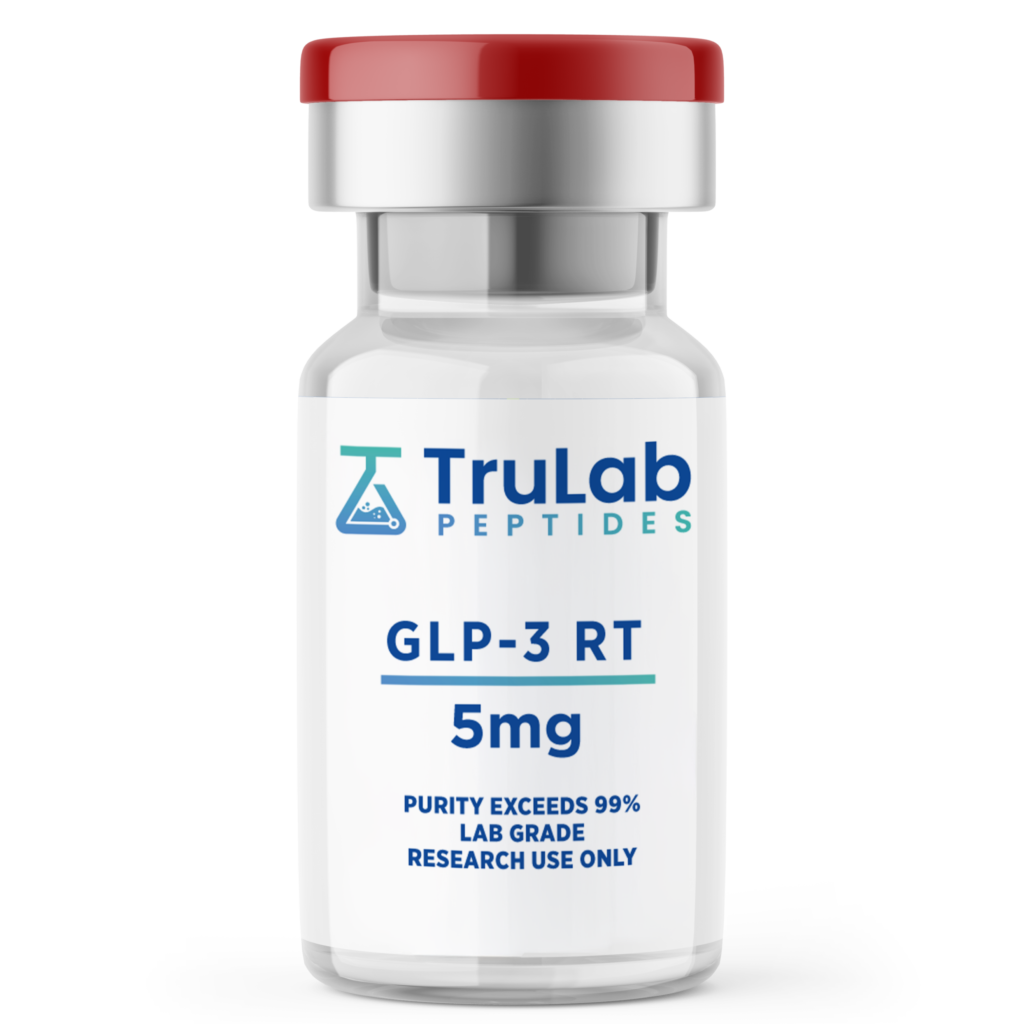
GLP-3 RT (scientifically known as Retatrutide, and previously under its developmental code name LY3437943) is an investigational triple hormone receptor agonist being developed by Eli Lilly and Company. While previous blockbuster weight-loss and diabetes medications like Wegovy (semaglutide) target one hormone, and Mounjaro/Zepbound (tirzepatide) target two, GLP-3 RT acts on three distinct receptors simultaneously.
Because of its broad metabolic activity, it is often referred to in the media as “the Triple G”.
How Does GLP-3 RT Work?
To understand why GLP-3 RT is so potent, we need to look at the three hormones it mimics:
- Glucagon-like Peptide-1 (GLP-1): Promotes insulin secretion, delays gastric emptying, and increases feelings of fullness (satiety), which suppresses appetite.
- Glucose-dependent Insulinotropic Polypeptide (GIP): Works with GLP-1 to enhance insulin release, improve fat metabolism, and help regulate blood sugar levels.
- Glucagon (GCG): Stimulates the liver to produce energy, increases fat oxidation (fat-burning), and improves overall energy expenditure.
By combining the power of all three of these pathways, GLP-3 RT does more than just curb your appetite—it actively boosts your body’s metabolism and fat-burning potential.
Clinical Trial Results: A Milestone in Weight Loss
The data surrounding Retatrutide has generated significant excitement. In Phase 2 clinical trials, GLP-3 RT demonstrated unprecedented weight-reduction results.
Here is a breakdown of the average weight loss achieved in trials at the 48-week mark:
| Dosage Group | Average Weight Loss (48 Weeks) |
| 1 mg | 8.7% |
| 4 mg | 17.1% |
| 8 mg | 22.8% |
| 12 mg | 24.2% |
Furthermore, extended trials showed an average weight loss of up to 71.2 lbs (32.3 kg) over 68 weeks at the 12 mg dose, showing no apparent plateau in weight reduction.
Health Benefits Beyond Weight Loss
While the weight-loss results are stunning, researchers are also exploring the broader metabolic benefits of GLP-3 RT:
- Type 2 Diabetes Management: The medication showed significant reductions in HbA1c levels, dropping them by 1.7% to 2.0% in trial groups, showing strong potential for diabetes care.
- Osteoarthritis Pain Relief: In trials, GLP-3 RT significantly reduced joint pain in participants with osteoarthritis of the knee.
- Liver Health: Studies indicate that the medication reduces liver fat, offering hope for patients suffering from fatty liver diseases like MASH (metabolic dysfunction-associated steatohepatitis) / NAFLD.
- Cardiovascular Health: Like other incretin-based therapies, it is being studied for its positive impacts on cardiovascular and kidney health.
Safety and Side Effects
As with any powerful metabolic medication, GLP-3 RT does have side effects. Clinical trial data shows that these side effects are largely mild to moderate and generally align with other GLP-1 and dual-agonist therapies:
- Nausea and vomiting
- Diarrhea or constipation
- Mild, dose-dependent increases in heart rate (which typically peaked around 24 weeks)
When Will It Be Available?
Currently, GLP-3 RT is undergoing Phase 3 clinical trials, including the TRIUMPH studies. It is not yet FDA-approved and is not available in standard pharmacies or through compounding. The FDA has issued warnings regarding the use of unapproved or counterfeit versions of the drug. If the Phase 3 trials are successful, the medication could receive FDA approval and hit the market around 2027.
Conclusion
GLP-3 RT represents an exciting frontier in modern medicine. By targeting three different metabolic pathways, it bridges the gap between appetite suppression and energy expenditure, offering unparalleled weight loss and metabolic improvements. While we wait for Phase 3 trials to conclude and regulatory approvals to be finalized, the future of obesity and diabetes management looks incredibly bright.
Disclaimer: This blog post is for informational purposes only and does not constitute medical advice. Consult with a healthcare professional before starting any new weight loss or medication regimen.
