
Uncategorized
Demystifying GLP-3 RT: The Future of Weight Loss and Metabolic Health
May
In the evolving landscape of weight management and metabolic medicine, a new term is making waves: GLP-3 RT (frequently associated with the investigational triple agonist Retatrutide). While earlier generations of weight-loss drugs like Wegovy (semaglutide) and Zepbound (tirzepatide) have transformed the treatment of obesity, the scientific community is looking toward a new frontier.
If you’ve been wondering what the buzz is about, let’s dive into what GLP-3 RT is, how it works, and why it is being hailed as a potential game-changer.
What Is GLP-3 RT?
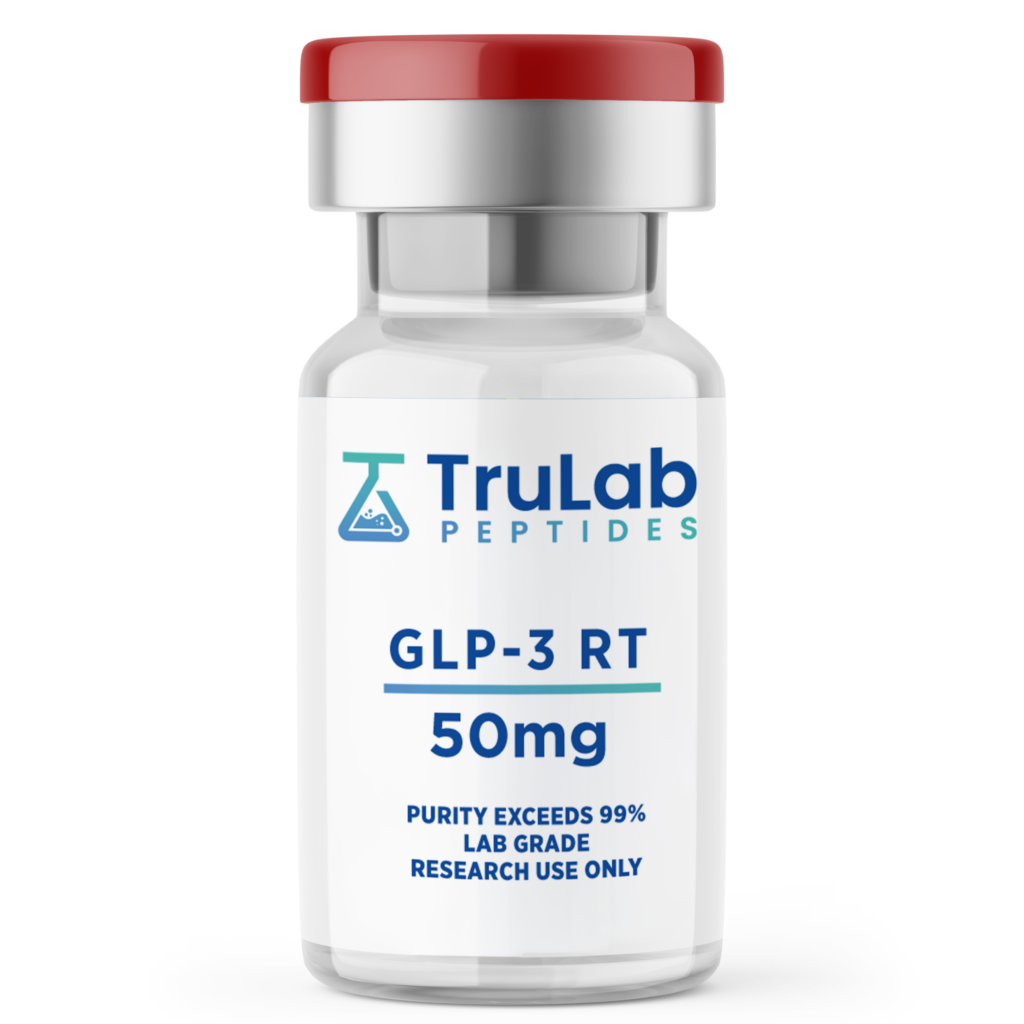
GLP-3 RT is a term used in the wellness and medical communities to refer to Retatrutide—a pioneering, investigational once-weekly injectable medication developed by Eli Lilly and Company.
Unlike conventional medications that target one or two hormone receptors, GLP-3 RT operates as a triple hormone receptor agonist. It is often nicknamed the “Triple G” because it mimics the actions of three distinct hormones in the human body that control appetite and blood glucose levels:
- GIP (Glucose-dependent insulinotropic polypeptide)
- GLP-1 (Glucagon-like peptide-1)
- Glucagon (GCG)
How the Triple Agonist Mechanism Works
The combination of these three hormonal pathways allows for a highly synergistic and comprehensive metabolic response:
- GLP-1 Effect: Slows down gastric emptying and suppresses your appetite, keeping you feeling fuller for longer.
- GIP Effect: Stimulates insulin release in response to blood sugar levels, supports fat metabolism, and curbs the desire to eat.
- Glucagon Effect: Stimulates energy expenditure (calories burned) and increases the body’s natural ability to break down fat cells for energy.
Clinical Trial Results: The Promise of GLP-3 RT
The excitement surrounding this peptide stems from its highly impressive performance in clinical trials.
Clinical Insight: According to Phase 2 clinical trials published in The New England Journal of Medicine, participants taking the highest dose (12 mg) lost an average of 24.2% of their starting body weight after 48 weeks.
To put this into perspective, let’s compare the pathways and weight loss potential of various incretin-based therapies:
| Medication | Target Receptors | Average Weight Loss |
| Wegovy (Semaglutide) | GLP-1 | ~15% (after 68 weeks) |
| Zepbound (Tirzepatide) | GLP-1, GIP | ~20.9% to 22.5% (after 72 weeks) |
| GLP-3 RT (Retatrutide) | GLP-1, GIP, Glucagon | ~24% (after 48 weeks) |
Furthermore, GLP-3 RT showed promising outcomes in related metabolic areas, including a significant reduction in HbA1c levels for those dealing with Type 2 diabetes and substantial relief for conditions like osteoarthritis.
Potential Side Effects and Safety Profile
As with any advanced medication, it is important to be aware of the safety profile. The side effects observed in trials are very similar to those seen in other incretin-based medications. The most commonly reported side effects include:
- Nausea and vomiting
- Diarrhea or constipation
- Abdominal discomfort or pain
- Mild, dose-dependent increases in heart rate
These side effects are generally mild to moderate and are most noticeable during the initial “escalation” or “titration” phase of the medication. Medical providers generally recommend starting with a low weekly dose and slowly stepping it up to allow the body to adjust.
Current FDA Status and Availability
As of early 2026, GLP-3 RT (Retatrutide) is not yet FDA-approved and is strictly available through clinical trials.
Because of the high demand for weight-loss medications, there are unauthorized, compounded, or counterfeit versions of the drug circulating online. It is crucial to remember that taking unapproved medications poses serious health risks. Eli Lilly is currently conducting Phase 3 clinical trials, and regulatory approval might be on the horizon between late 2026 and 2027.
A Holistic Approach to Weight Management
While medical breakthroughs like GLP-3 RT show incredible potential, the most sustainable health transformations require a holistic approach:
- Personalized Nutrition: Transitioning to whole, nutrient-dense foods reduces inflammation and supports long-term metabolic health.
- Physical Activity: Combining medication with strength training helps preserve lean muscle mass while burning fat.
- Ongoing Support: Working with a medical team ensures that underlying conditions—like hormonal imbalances or thyroid issues—are addressed alongside the medication.
Final Thoughts
The future of metabolic health is brighter than ever. GLP-3 RT represents a massive leap forward in the fight against obesity and metabolic dysfunction. As we await the results of the ongoing clinical trials, staying informed about these innovations is the first step toward achieving lasting health.
