
Uncategorized
Unlocking Immune Resilience: The Science and Potential Benefits of Thymalin
May
In the rapidly expanding world of peptide therapy and cellular longevity, researchers and wellness enthusiasts are increasingly focusing on the body’s master immune gland: the thymus. Among the most intriguing compounds discovered in this realm is Thymalin, a bioregulator peptide that has shown significant promise in immune system modulation, anti-aging, and overall vitality.
Whether you are exploring biotechnology advancements or looking to understand how bioregulating peptides function at a cellular level, understanding the mechanisms and science behind Thymalin is essential.
What is Thymalin?
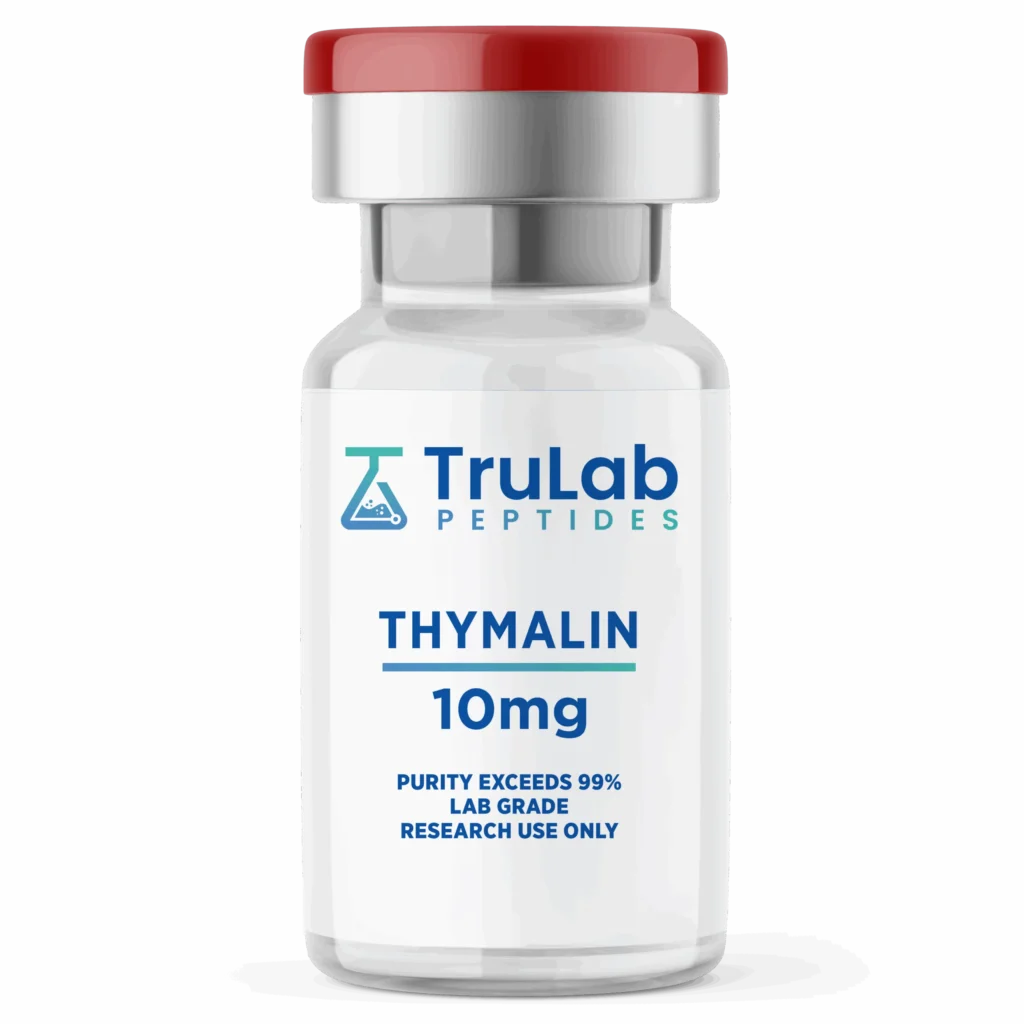
Thymalin is a polypeptide preparation originally extracted from the thymus gland of calves (and later synthesized for research and clinical purposes). It consists of two primary amino acid chains: glutamyl-tryptophan and other linked peptides.
In the body, the thymus gland is responsible for the production and maturation of T-lymphocytes (T-cells), which are crucial for fighting off infections and regulating the immune response. As we age, the thymus gland undergoes involution (shrinking), leading to a decline in immune function. Thymalin was developed to support and restore the thymus’s natural endocrine and immune functions.
Key Benefits of Thymalin
Research and clinical studies—particularly those conducted over the last few decades in Eastern Europe—have highlighted several promising physiological benefits associated with Thymalin:
- Immune System Optimization: It promotes the maturation of T-cells and helps balance the ratio of helper/suppressor T-cells, strengthening the body’s defense against infections.
- Anti-Aging and Longevity: By stimulating cellular regeneration and restoring immune biomarkers, it is often utilized as an anti-aging peptide to slow down age-related physical decline.
- Reduction of Inflammation: The peptide helps regulate cytokine production, reducing chronic inflammation and oxidative stress.
- Endocrine Support: It interacts with the neuroendocrine system, helping to balance cortisol levels and improve recovery from physical or psychological stress.
Did You Know? Thymalin acts as a bioregulator, meaning it does not force the body to do something it cannot do naturally; instead, it provides the exact biochemical instructions needed to restore normal tissue and organ function.
How Thymalin Works in the Body
The mechanism of action centers on its ability to communicate with both the endocrine and immune systems:
- Receptor Activation: Thymalin binds to specific receptors on the thymus gland and peripheral tissues.
- Biosynthesis of Thymic Hormones: It prompts the body to produce its own thymic peptides (such as thymulin and thymopoietin).
- Cellular Repair: This cascade supports DNA repair, decreases the rate of cellular apoptosis, and improves overall cellular resilience.
Standard Administration and Dosing
In research protocols and wellness centers, Thymalin is typically administered via subcutaneous or intramuscular injection. Because of its systemic effects, it is often cycled over a period of 10 to 20 days.
| Protocol Phase | Typical Dosage Range | Frequency |
|---|---|---|
| Standard Research Dose | 1 mg – 10 mg | Daily or every other day |
| Cycle Duration | 10 to 20 days | Followed by a 3 to 6-month rest period |
Export to Sheets
Note: The powder is lyophilized and must be reconstituted using Bacteriostatic Water or Sodium Chloride before use.
Safety, Side Effects, and Precautions
As with any advanced biotechnology compound, a thorough understanding of safety is required:
- Mild Side Effects: When used at research doses, side effects are generally rare. Some users experience mild fatigue or localized injection-site redness.
- Regulatory Status: Thymalin is not currently approved by the FDA for human therapeutic consumption. It is strictly intended for scientific research and laboratory use.
- Contraindications: Individuals with active autoimmune conditions or undergoing active immunosuppressive treatments should avoid immune-stimulating peptides unless specifically directed by a healthcare professional.
- Purity: Always source your material from cGMP-certified, third-party verified suppliers to guarantee quality and concentration.
Final Thoughts
Thymalin represents a sophisticated and natural approach to immune system support, cellular aging, and recovery. By acting as a bioregulator for the thymus gland, it offers a fascinating glimpse into the future of preventative medicine and biotechnology.
Disclaimer: This information is for educational and informational purposes and is not intended as medical advice. Always consult a qualified healthcare professional before beginning any new supplement or peptide regimen.
