
Uncategorized
Unlocking Mitochondrial Vitality: The Science and Research Behind SS 31 10mg
May
In recent years, the fields of biotechnology and cellular longevity have placed significant focus on mitochondrial health. As the powerhouses of our cells, mitochondria dictate energy production, cellular repair, and overall vitality. Among the most promising advancements in mitochondrial research is the tetrapeptide SS-31 (also known as Elamipretide or Bendavia).
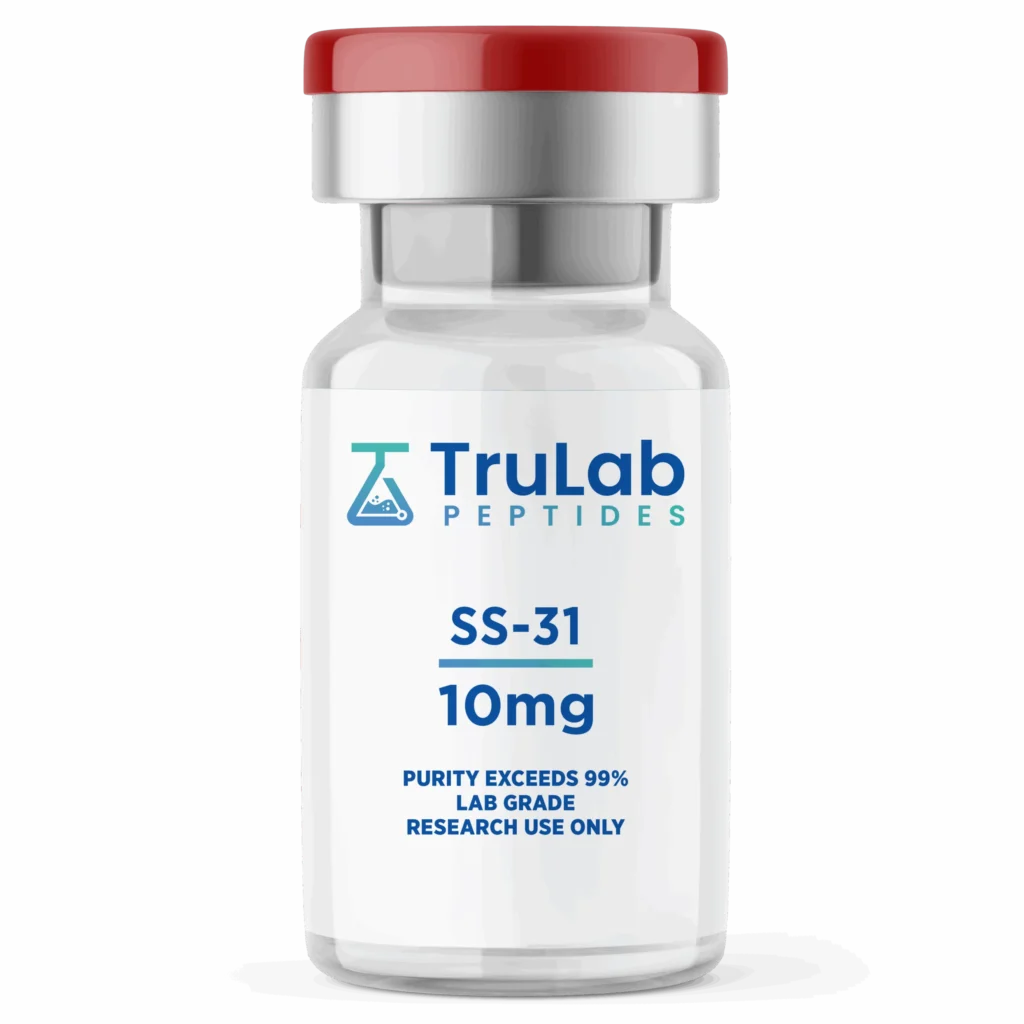
When sourcing this compound for research or laboratory analysis, the SS 31 10mg vial is the standard unit of concentration. In this guide, we will explore the mechanisms, research applications, and proper handling of SS-31.
What is SS-31?
SS-31 is a synthetic, water-soluble tetrapeptide (D-Arg-Dmt-Lys-Phe-NH2) designed to target the inner mitochondrial membrane. Unlike traditional antioxidants that remain in the cytoplasm, SS-31 rapidly penetrates the cell and localizes within the mitochondria.
Once inside, it binds to cardiolipin, a key phospholipid that maintains the structure and function of the mitochondrial inner membrane. By protecting this lipid, SS-31 helps prevent the production of excessive reactive oxygen species (ROS) and supports the electron transport chain.
The Significance of the 10mg Vial
In scientific research, a 10mg (10,000 mcg) presentation provides a highly versatile amount for a variety of experimental models. Researchers often reconstitute this powder to study its effects across various concentrations.
Below is a helpful reference for reconstitution and dosage calculations for an SS-31 10mg vial:
| Vial Size | Diluent Added | Resulting Concentration | Typical Experimental Dose |
| 10mg (10,000 mcg) | 1.0 mL | 1,000 mcg per 0.1 mL (10 units) | 1,000 mcg – 2,000 mcg |
| 10mg (10,000 mcg) | 2.0 mL | 500 mcg per 0.1 mL (10 units) | 500 mcg – 1,000 mcg |
| 10mg (10,000 mcg) | 4.0 mL | 250 mcg per 0.1 mL (10 units) | 250 mcg – 500 mcg |
Handling Tip: Always use Bacteriostatic Water or Sodium Chloride for reconstitution, depending on the specific requirements of your experimental protocol.
Key Mechanisms of Action in Research
The broad interest in SS-31 stems from its profound interaction with cellular energy pathways:
- Enhances ATP Production: By supporting electron transport, it restores the efficiency of energy production in stressed or aging cells.
- Reduces Oxidative Stress: It serves as a targeted antioxidant, eliminating harmful free radicals at the source inside the mitochondria.
- Prevents Cellular Apoptosis: It inhibits the opening of the mitochondrial permeability transition pore (mPTP), keeping cells intact during periods of acute stress or ischemia.
Key Areas of Preclinical Study
Preclinical trials and laboratory research have investigated the potential of SS-31 across a range of physiological systems:
- Cardiovascular Health: Studies suggest it helps protect heart muscle cells during ischemia-reperfusion injury and supports vascular elasticity.
- Neuroprotection: Research indicates that the peptide can cross the blood-brain barrier, offering potential applications for reversing cognitive deficits and protecting neurons from oxidative damage.
- Muscle Preservation: SS-31 is being studied to combat age-related muscle weakness and support muscle recovery at the cellular level.
- Renal Protection: Early laboratory models show it can mitigate acute kidney injury and support renal filtration function.
Storage and Handling Guidelines
To maintain the structural integrity and potency of your SS-31 10mg supply throughout your research cycle, proper storage procedures are essential:
- Reconstitution: Slowly inject the diluent along the inner wall of the vial to prevent the lyophilized powder from degrading due to rapid impact.
- Temperature Control: Keep the vial stored between 2°C and 8°C (36°F and 46°F) after reconstitution.
- Stability Timeline: Reconstituted peptides should generally be utilized within 2 to 4 weeks to ensure maximum purity.
Safety and Regulatory Considerations
- For Research Use Only: SS-31 is intended strictly for scientific research and laboratory use. It is not approved by the FDA for human therapeutic or clinical consumption.
- Quality Assurance: Always source your peptides from certified cGMP, third-party verified suppliers to guarantee the purity and concentration of your SS-31 10mg vials.
Final Thoughts
The SS-31 10mg vial is an invaluable asset for researchers investigating the frontier of mitochondrial biology. By understanding its unique mechanisms of action and following rigorous handling guidelines, you can ensure high-quality and reliable experimental outcomes.
Disclaimer: This information is for educational and research purposes and is not intended as medical advice.
