
Uncategorized
Understanding BPC 157 5mg: Applications, Research Mechanics, and Guidelines
May
In the rapidly evolving fields of peptide research and biotechnology, scientists and biohackers alike continually seek compounds that support biological repair and cellular maintenance. Among the most widely studied peptides is BPC-157.
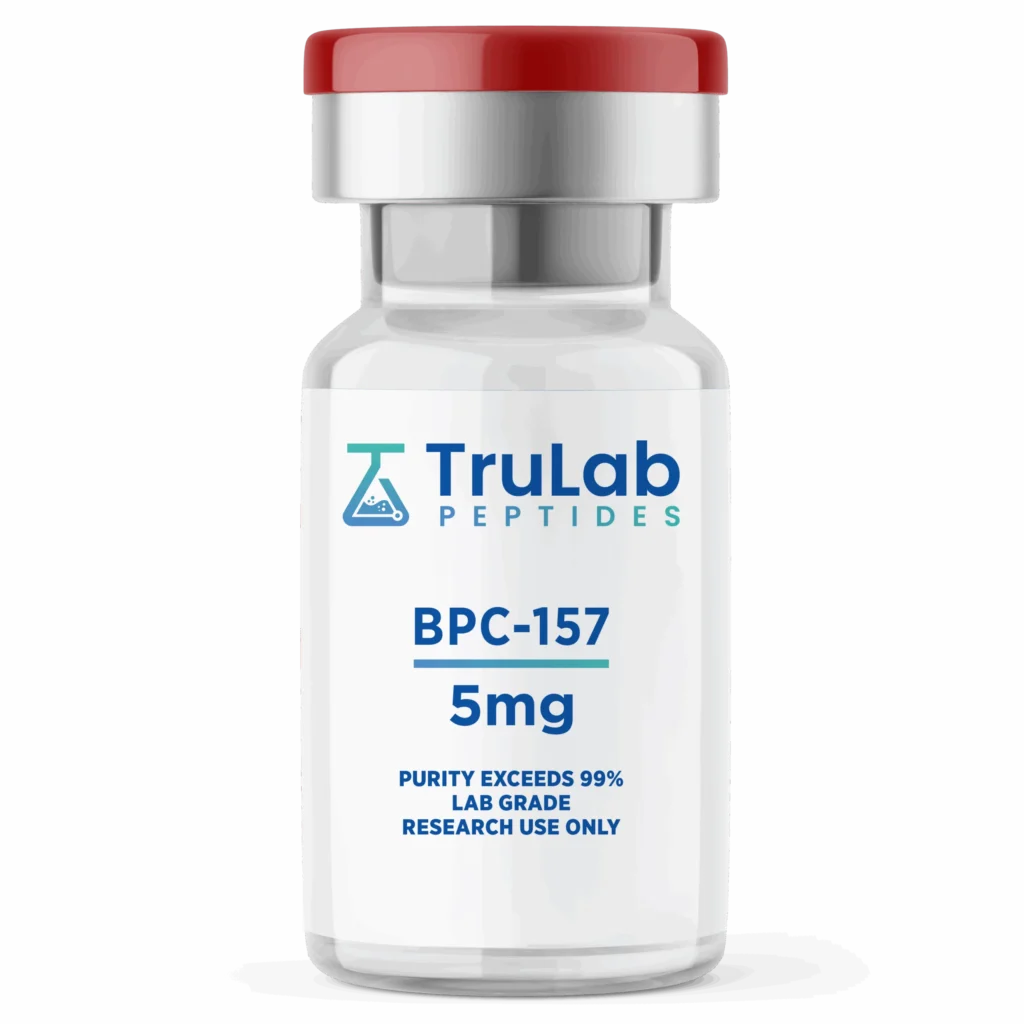
When sourcing this compound for laboratory or research purposes, the BPC 157 5mg vial is the industry standard. Whether you are setting up an experimental model or analyzing cellular interaction, understanding the proper reconstitution, dosing math, and mechanisms of action is essential.
What is BPC-157?
BPC-157 (Body Protection Compound-157) is a partial sequence of a naturally occurring peptide found in human gastric juice. Researchers have found that the stomach’s natural defense mechanism relies on this peptide to protect and heal the delicate lining of the gastrointestinal tract.
In laboratory settings, BPC-157 is synthesized as a 15-amino-acid chain to study its broader systemic effects on soft tissues.
The Significance of the 5mg Vial
In scientific research, the 5mg vial (equivalent to 5,000 micrograms) offers a highly flexible quantity for various experimental protocols. Researchers frequently choose this concentration because it allows for a precise breakdown of multiple smaller doses.
To illustrate how researchers calculate dosing from a 5mg vial, consider the following standard reconstitution volumes:
| Vial Size | Diluent Added | Resulting Concentration | Typical Experimental Dose |
| 5mg (5,000 mcg) | 1.0 mL | 500 mcg per 0.1 mL (10 units) | 250 mcg – 500 mcg |
| 5mg (5,000 mcg) | 2.0 mL | 250 mcg per 0.1 mL (10 units) | 250 mcg – 500 mcg |
| 5mg (5,000 mcg) | 2.5 mL | 200 mcg per 0.1 mL (10 units) | 200 mcg – 400 mcg |
Handling Tip: Always use Bacteriostatic Water or Sodium Chloride for reconstitution, depending on your specific experimental protocols.
Key Mechanisms of Action in Research
The interest in BPC-157 stems from its interaction with several primary biological pathways:
- Promotes Angiogenesis: Studies suggest that BPC-157 stimulates the formation of new blood vessels, bringing essential nutrients and oxygen to tissues.
- Upregulates Growth Factor Expression: Research indicates that the peptide interacts with growth factor receptors, encouraging fibroblasts and cellular regeneration.
- Modulates Inflammation: BPC-157 has been observed to influence inflammatory cytokines, mitigating cellular stress in experimental models.
Guidelines for Reconstitution and Storage
To ensure the integrity of your BPC 157 5mg supply throughout the duration of your research, proper handling is paramount:
- Reconstitution: Slowly inject the diluent along the inner wall of the vial to avoid forceful impact on the lyophilized powder.
- Temperature Control: Keep the vial stored between 2°C and 8°C (36°F to 46°F) once reconstituted.
- Timeline: For maximum stability and efficacy, reconstituted peptides should typically be used within 2 to 4 weeks.
Safety, Quality, and Precautions
As with any advanced biochemical compound, standard safety and regulatory considerations apply:
- Research Use Only: BPC-157 is intended for laboratory and scientific research purposes only. It is not approved by the FDA for human consumption or therapeutic use.
- Side Effects: While generally well-tolerated in animal studies, some researchers note mild side effects such as nausea or injection-site irritation when used improperly.
- Sourcing: Always source from certified cGMP, third-party verified suppliers to ensure the purity and concentration of your BPC 157 5mg vials.
Final Thoughts
The BPC 157 5mg vial remains one of the most reliable and efficient units for researchers studying cellular repair mechanisms. By focusing on proper storage, precise reconstitution, and understanding its unique mechanisms of action, you can achieve highly consistent and valid research outcomes.
